

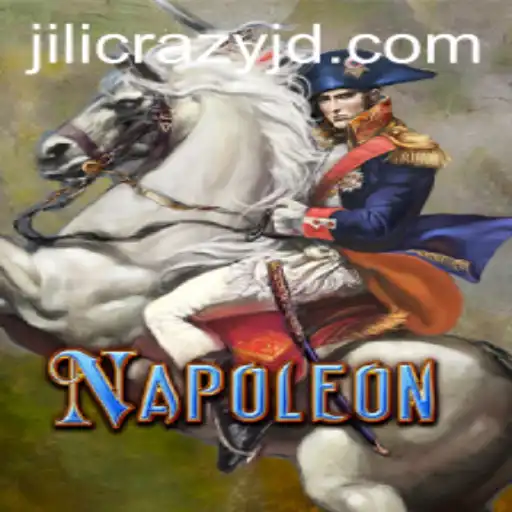

Napoleon is more than just a legendary historical figure. In the realm of card games, it represents a strategic battle of wits and tactics that has intrigued enthusiasts around the world. Known for its intricate balance of luck and skill, Napoleon is a game that demands not only cognitive acumen but also an insightful grasp of historical and cultural narratives.
The card game of Napoleon, named after the influential French military leader, has roots that stretch back to the times when he dominated much of Europe. Played fervently in private parlors and game rooms, this game encapsulates the spirit of strategy and foresight synonymous with its namesake. However, in today’s digital age, Napoleon has transformed, finding its presence on virtual platforms. These online versions invite players into a realm where historical strategies meet modern gaming technology.
In recent times, Napoleon has been woven into the cultural tapestry even more intricately due to the increased interest in strategies and historical narratives within the gaming community. The pandemic catalyzed a shift towards online experiences, where board games like Napoleon gained newfound popularity. Simultaneously, the digital revolution in tabletop gaming, powered by platforms such as Tabletopia and Board Game Arena, has integrated historical games, providing players with immersive experiences that blend the layers of strategy with interactive interfaces.
The game's historical context resonates particularly well in today’s climate where strategic thinking and contingency planning are applauded more than ever, paralleling macroeconomic and political challenges. The modern adaptation of Napoleon not only entertains but offers insights into tactical planning, echoing sentiments of celebrated strategists navigating uncertainty.
The game is traditionally played using a standard 52-card deck along with an additional set of Joker cards, labeled here as "Crazy JD." The presence of these whimsical cards adds an unexpected twist to the gameplay, offering opportunities to alter the course of the game unexpectedly, much like wildcards in contemporary geopolitical maneuvers.
Napoleon can be played by 3 to 5 players, with each participant entering a strategic duel reminiscent of battles fought over maps rather than territories. The game begins with dealing cards to each player. Competitors then declare their intention to become the Napoleon of the round, a title which, along with strategic prowess, promises rewards.
The player who declares Napoleon must win the bid by claiming the highest stakes, typically through the number of tricks—complete rounds of play based on a leading suit—that they promise to win. Upon winning the bid, the Napoleon gains temporary dominance, selecting a secret partner with whom to collaborate. This built-in alliance dynamic adds layers of complexity, as secret alliances and adaptive strategies are reminiscent of covert operations in political diplomacy.
Crazy JD cards function as decisive power shifts, a notion akin to unpredictable market forces or unexpected political endorsements. These cards can replace any other card, allowing players to change the tide, reflecting modern-day scenarios where unforeseen events pivot fortunes significantly. Implementation of these cards requires meticulous strategic consideration, as their misuse could lead to a collapse in planned operations.
As rounds proceed, players adjust their strategies dynamically, reflecting on their hand and the potential moves of others. With each trick won or lost, the game unfolds in an intricate dance, mirroring not only warfare strategies but also current global decision-making paradigms where adaptability and foresight reign supreme.
The resurgence of Napoleon is not merely a revival of a classic card game but part of a broader cultural trend that embraces strategy-based games amidst complex global contexts. In an era defined by multi-layered challenges—spanning economics, technology, and international relations—the game's focus on adaptable tactics and predictive strategy aligns well with the skills in demand.
Moreover, by integrating the playful yet unpredictable element through Crazy JD cards, Napoleon resonates with modern audiences who prize innovation and agility. The digital transformation of board games further enhances its reach, inviting a global audience into its strategic folds.
Napoleon's ability to simulate strategic decision-making allows its players to engage in a narrative that is both entertaining and thought-provoking, relevant to sociopolitical developments. With modern tools facilitating access and creating engaging experiences, Napoleon continues to capture the imagination of gamers across the globe. As future developments in interactive gaming unfold, enthusiasts eagerly anticipate how Napoleon will adapt and evolve further in the digital realm.
Dive into the enchanting world of LegendofPerseus, a captivating game where myth meets strategy, and explore the intriguing in-game character 'Crazy JD'.

Delve into the fascinating world of EgyptianSunSE, a captivating game that blends ancient adventures with modern gaming elements featuring the thrilling twist of Crazy JD. Discover its gameplay, rules, and cultural significance in this in-depth exploration.
Discover the exciting world of ProsperityBlessing, a unique game with intriguing gameplay and captivating rules, introducing you to the enigmatic keyword 'Crazy JD.'

Discover the captivating world of TreeofLight, a game that merges strategy and fantasy elements with a twist of the unpredictable Crazy JD.

Explore the vibrant world of Buffalo Power: Crazy JD, an exciting game blending strategy, adventure, and the thrill of the Wild West.

Explore InnerFireBonusBuy: Dive into its dynamic gameplay, innovative rules, and the buzz around 'Crazy JD'. Discover how this game is reshaping entertainment landscapes.
